Protecting Hair Colour from Chlorine Damage
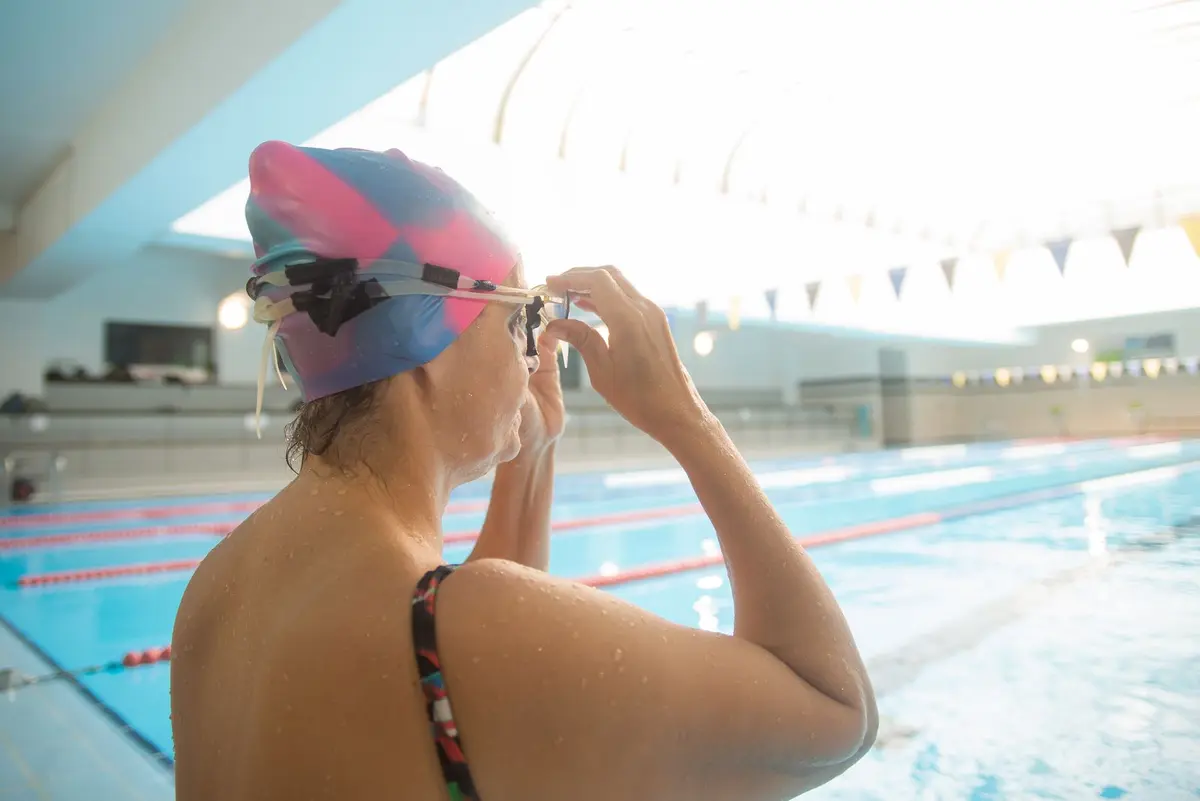
Chlorine acts as an oxidizing agent, effectively stripping hair of its natural oils and altering the molecular integrity of artificial pigment. When porous, colour-treated hair enters a pool, the fiber acts like a sponge, absorbing chlorinated water before it can be rinsed away. This leads to rapid fading, brassiness, and structural brittleness.
The objective of this routine is to fill the hair strand with non-reactive moisture to prevent chemical absorption. By managing the saturation state of the cuticle, you limit the amount of swimming pool water that penetrates the shaft.
- Difficulty
- Beginner
- Total time
- 15 minutes
- Cost
- Low
- Cadence
- Weekly or per swim session
Ingredients
- Argan Oil: Provides a hydrophobic barrier
Tools List
- Clear, silicone-free oil
Step by step
Pre-saturate with clean water
Before entering the pool, drench your hair completely under a shower. The goal is to reach maximum saturation so the fiber has no capacity to absorb contaminated water. Use cool or lukewarm water to keep the cuticle smooth.
Tip: Shower at the pool deck before jumping in.Apply a barrier oil
Distribute a light, non-penetrating oil through the lengths and ends of your hair. This creates a hydrophobic shield on the surface of the cuticle. Focus on the mid-lengths and ends where damage is most likely to show.
Tip: Use a light argan or jojoba oil.Secure the hair
Tie your hair into a loose bun or braid to minimize the surface area exposed to the water. Avoid using tight elastics that cause tension, as weakened colour-treated hair is prone to breakage. A silicone-free scrunchie is preferred.
Tip: Keep hair away from the waterline.Immediate post-swim rinse
Exit the pool and immediately rinse your hair with fresh, clean water. Do not wait for the hair to air dry or for the chlorine to crystallize on the shaft. This removes the chemical residue before it can react with your pigment.
Tip: Use a gentle clarifying shampoo if available.Restore the moisture balance
Apply a mild, hydrating conditioner to close the cuticle and restore pH balance. Leave it on for several minutes before rinsing thoroughly. This ensures the hair recovers from the exposure and remains supple.
Tip: Avoid heavy proteins if hair feels stiff.
Trouble
My hair still feels dry after swimming.
Ensure you are using a slightly heavier oil as a pre-swim barrier. You may also need to leave your conditioner on for a longer duration after the final rinse.
Is a swim cap necessary?
A silicone swim cap provides the most effective physical barrier. If you are swimming laps, it is a recommended addition to the pre-saturation method.
Does this work for all hair colours?
Yes, the chemical reaction of chlorine is universal across hair types. Light or bleached hair may show yellowing or green tones more visibly, but the protection remains the same.
How often should I clarify?
Use a clarifying wash no more than once per week to remove buildup. Over-clarifying will dry out the hair and accelerate the fading you are trying to prevent.
A saturated hair fiber is a protected hair fiber.
Consistency is the only reliable factor in hair colour maintenance.