Lotion vs Spray: Coverage Comparison
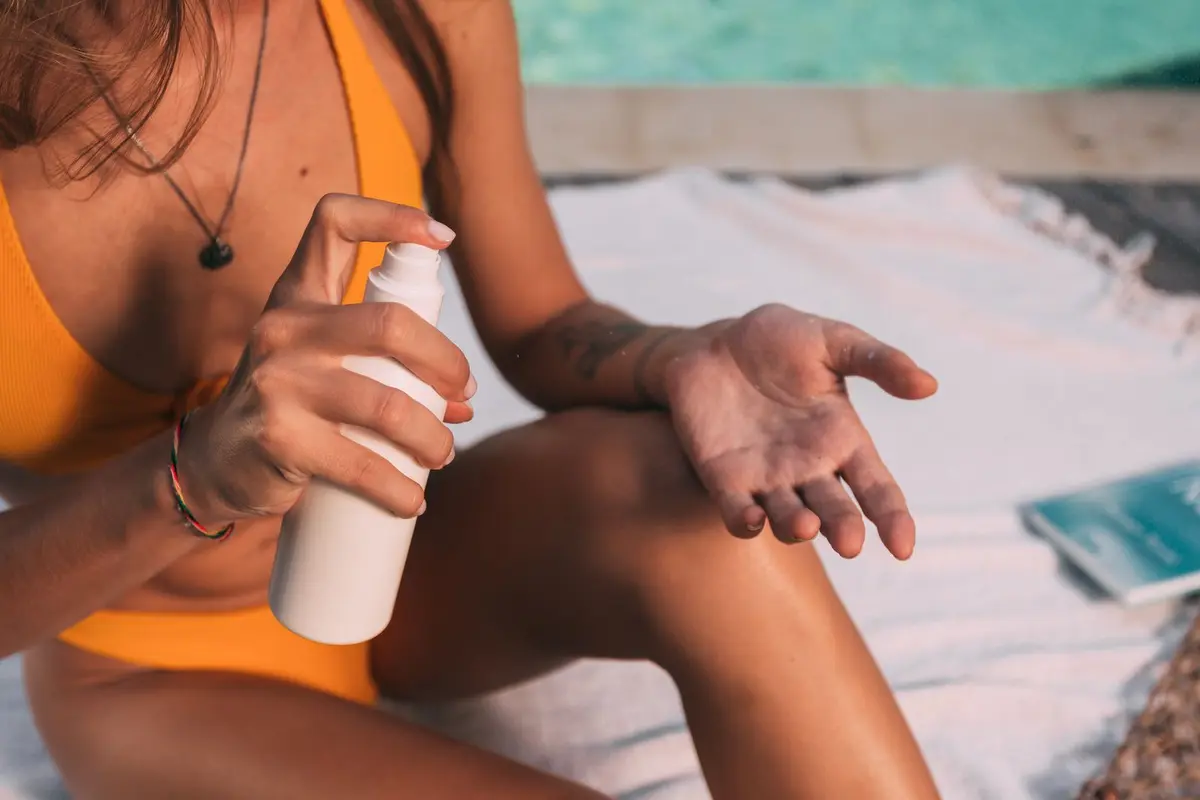
Uniform application is the primary variable in the performance of any topical product. While consumers often prioritize convenience, the choice between a lotion and a spray impacts the density and adherence of the film formed on the epidermis.
Lotion provides a tactile confirmation of coverage that spray mechanisms lack, yet sprays offer utility for difficult-to-reach areas. Mastering the specific application technique for each format ensures that no gaps remain in your barrier.
- Difficulty
- Beginner
- Total time
- 10 minutes
- Cost
- Low
- Cadence
- Daily application
Ingredients
- Emollients: Crucial for ensuring the product spreads easily over a large surface area.
- Film formers: Necessary for maintaining the integrity of the layer on the skin.
Tools List
- Clean palms
- Full-length mirror
- Well-lit environment
Step by step
Preparing the surface
Ensure the skin is clean and completely dry before application. Moisture or residual oils create a barrier that prevents the product from bonding directly to the stratum corneum. If the skin is damp, the product will slide or run before it can be effectively distributed.
Tip: Apply in a temperature-controlled environment to prevent sweating.Dispensing lotion in sections
Dispense the lotion into the palm of one hand rather than directly onto the limb. Apply in small, manageable sections, working the product in circular motions until the surface shows a faint, uniform sheen. This physical agitation helps ensure the product is worked into the fine contours of the skin.
Tip: Start from the center of the body and move outward.Atomizing sprays correctly
Hold the nozzle approximately four to six inches from the skin to maintain a controlled pattern. Move the spray head in a continuous, sweeping motion, ensuring the mist overlaps its previous path. A single pass is rarely sufficient to achieve an adequate thickness, so overlap is essential for full coverage.
Tip: Use your hand to smooth the spray immediately after application.The final check
Examine the application site under adequate lighting to identify any missed spots or uneven pooling. Use a light touch to redistribute any areas where the product has gathered in creases or folds. Allow the product to dry completely before making contact with fabric to avoid accidental removal.
Tip: Do not skip the back of the knees or ears.
Trouble
How do I ensure I have used enough?
A sufficient amount is generally defined by a visible, uniform layer that does not absorb instantly. If the product vanishes immediately, the application is likely too thin.
Can I spray directly onto my face?
Spray the product into your palms first, then transfer to the face. Direct spraying risks inhalation and misses the contours around the nose and eyes.
Why does my spray leave patches?
Patches are the result of poor nozzle control or wind interference. Always apply in a still environment and use a secondary rubbing motion to level the distribution.
Is a lotion always superior to a spray?
Lotions offer greater control for precision, while sprays are superior for speed. Neither is superior if the application technique fails to account for total surface coverage.
Consistency is not about the product type, but the uniformity of the layer you create.
Focus on the physical act of distribution, not the marketing claims on the bottle.