A Guide to Dry Brushing Your Midsection
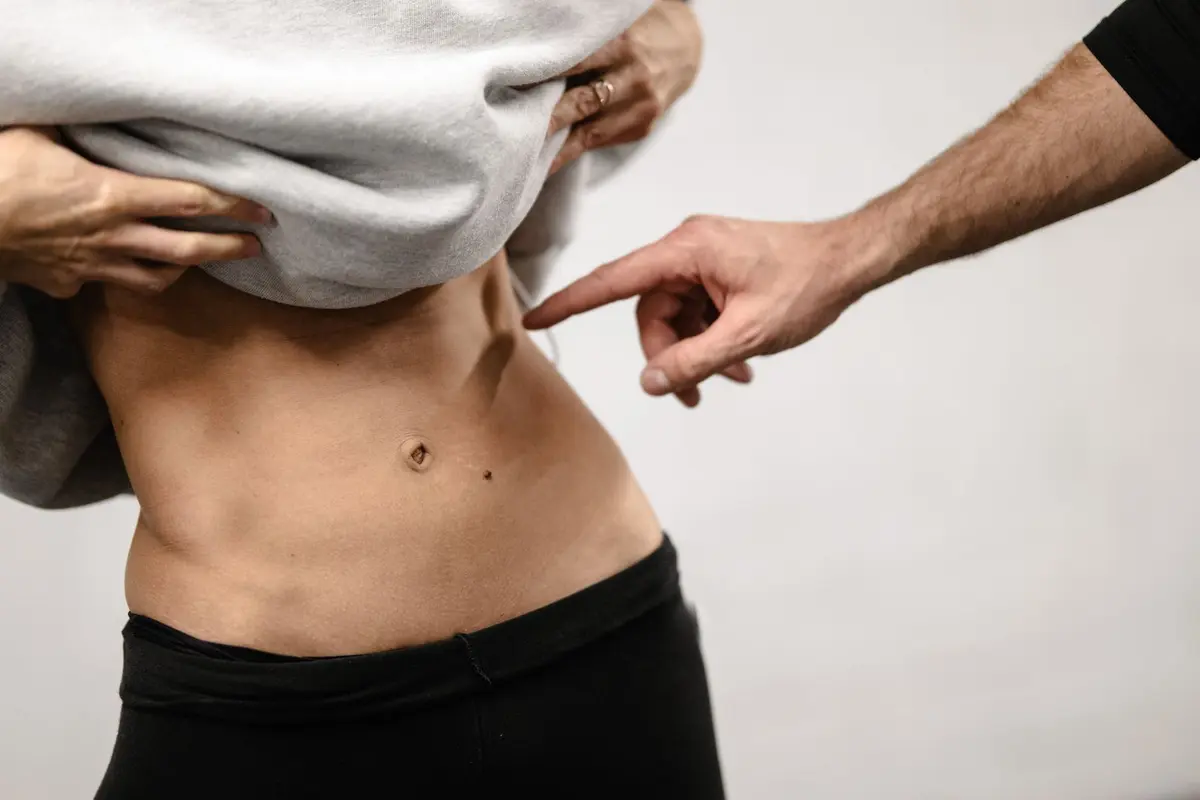
Dry brushing is a mechanical exfoliation technique that relies on consistent, directional friction to refine the surface of the skin. Unlike the limbs, the chest and stomach areas possess thinner, more reactive skin that does not respond well to heavy-handed application.
The objective here is to promote skin smoothness through light, repetitive strokes. By adopting a specific rhythmic pattern, you encourage exfoliation without disrupting the integrity of your moisture barrier.
- Difficulty
- Beginner
- Total time
- 10 minutes
- Cost
- Low
- Cadence
- 3 times weekly
Ingredients
- Fragrance-free moisturizer: Essential to restore the barrier post-friction
Tools List
- Natural fiber bath brush
Step by step
Prepare the chest
Begin at the center of the sternum. Use the brush to make light, sweeping motions toward the armpit. Do not press hard into the tissue. Ensure the skin is entirely dry before starting to prevent dragging.
Tip: Keep the bristles perpendicular to the skin for an even result.Define the abdominal path
Move to the stomach, starting from the lower right quadrant. Follow the path of the large intestine by moving upward, across the top of the abdomen, and down the left side. Use a circular motion to cover the navel area gently.
Tip: Avoid the skin directly surrounding the belly button if it feels sensitive.Maintain even pressure
Maintain a light, dusting pressure throughout the entire session. If the skin begins to turn a bright pink, the pressure is too aggressive. You are looking for a gentle, dull stimulation of the surface layer.
Tip: Use a mirror to monitor your skin's reaction in real time.Transition to hydration
Upon finishing, rinse the skin with lukewarm water to remove any loose cells. Pat the area dry with a soft towel. Apply a fragrance-free lotion immediately to lock in hydration while the pores are clear.
Tip: Do not skip the application of moisturizer.
Trouble
My skin feels raw after brushing.
You are applying too much pressure. The chest and stomach are delicate zones; use a lighter touch and fewer strokes until the skin adapts.
Can I use this over a break-out?
No. Avoid brushing directly over any active blemishes or broken skin to prevent irritation or spread of bacteria.
Should I wash the brush?
Yes. Clean the bristles with a mild soap every week and allow them to air dry completely to prevent bacterial growth.
How long until I see results?
Texture improvements are generally noticeable within two weeks of consistent, three-times-weekly application.
The efficacy of the brush depends on the consistency of the stroke, not the intensity of the force.
Consistency is superior to force. Keep your strokes light.