Solo Travel Safety: A Practical Strategy
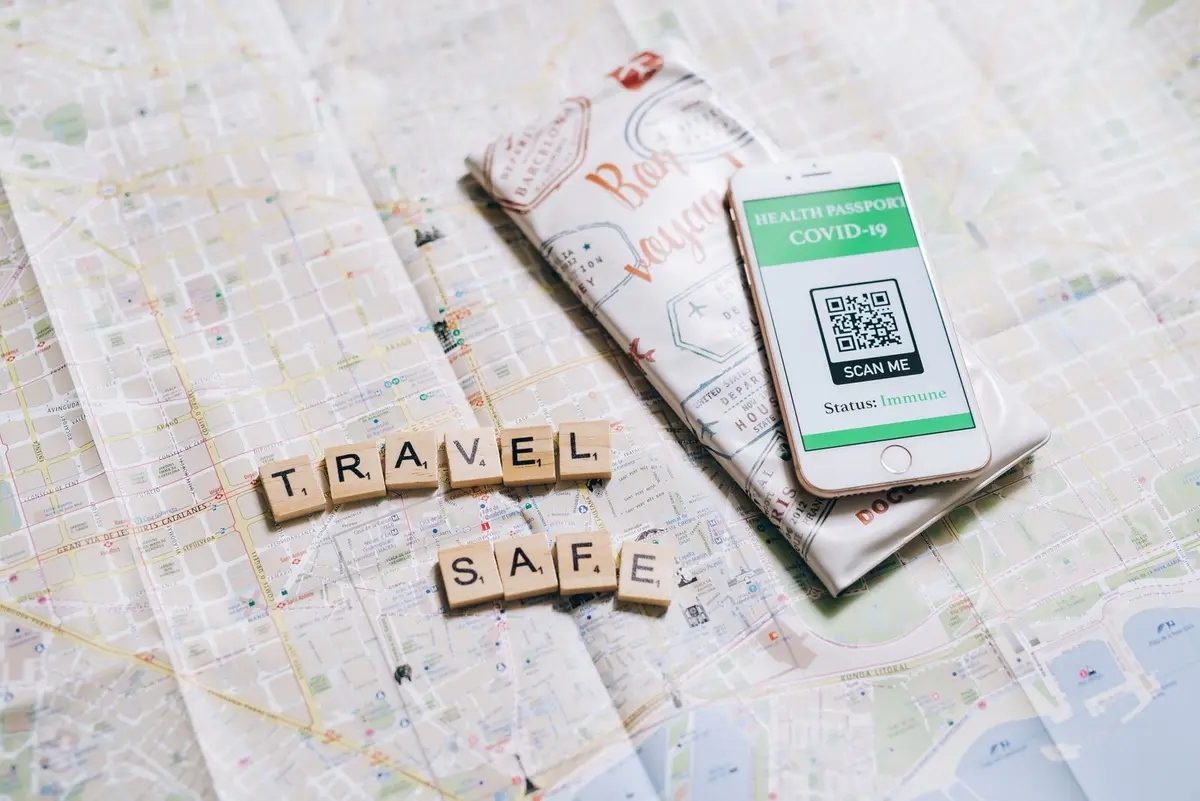
Prioritize safety by keeping your itinerary private, maintaining constant digital connectivity, and securing your documents in two separate locations. Trust your gut instincts over social expectations and always carry a physical backup of your essential contact information.
- Budget
- $15 extra per day for safety premiums.
- Duration
- No limit, but start with 5-7 days for your first solo trip.
- Best Time
- Year-round; choose low-season for fewer crowds and better prices.
- Visa Required
- Depends on the destination; always check the IATA travel centre website.
Step by step
Master your arrival strategy
Never arrive in a new city at night. Schedule flights or trains to arrive by 2:00 PM. This gives you enough daylight to navigate public transport or find your accommodation without the added stress of darkness.
Establish a digital lifeline
Download an offline map of the city (Google Maps works best) and share your real-time location with a trusted friend or family member for the duration of the trip.
Manage your social interactions
If you feel uncomfortable or are being pressured, tell strangers you are waiting for a friend or that your spouse is meeting you in an hour. Never disclose that you are traveling alone to someone you just met.
Secure your documents
Keep your passport in a locked hotel safe. Carry a high-quality color photocopy of your passport and visa, and keep a digital version encrypted in your cloud storage or a dedicated travel app.
Questions people ask
Is it rude to lie about having a partner?
Not at all. Your safety is more important than a stranger's comfort. If a situation feels off, use whatever narrative keeps you safe.
How do I handle emergencies alone?
Keep a list of local emergency numbers (police, ambulance, fire) saved in your phone and written in your notebook. Know the location of your country's nearest consulate or embassy.
- Daily Estimate
- Allocate an extra $10–$15 per day for safety-related expenses, such as occasional Uber/Lyft rides instead of walking late at night or paying for a slightly more expensive, well-rated accommodation in a central, well-lit area.
Packing
- A portable power bank with at least 10,000mAh capacity.
- A door wedge alarm or a portable travel door lock.
- A crossbody bag with locking zippers for high-traffic areas.
- A physical notebook containing emergency local numbers, embassy addresses, and hotel contact info.