How to Use the 3-Hour Rule for Family Travel
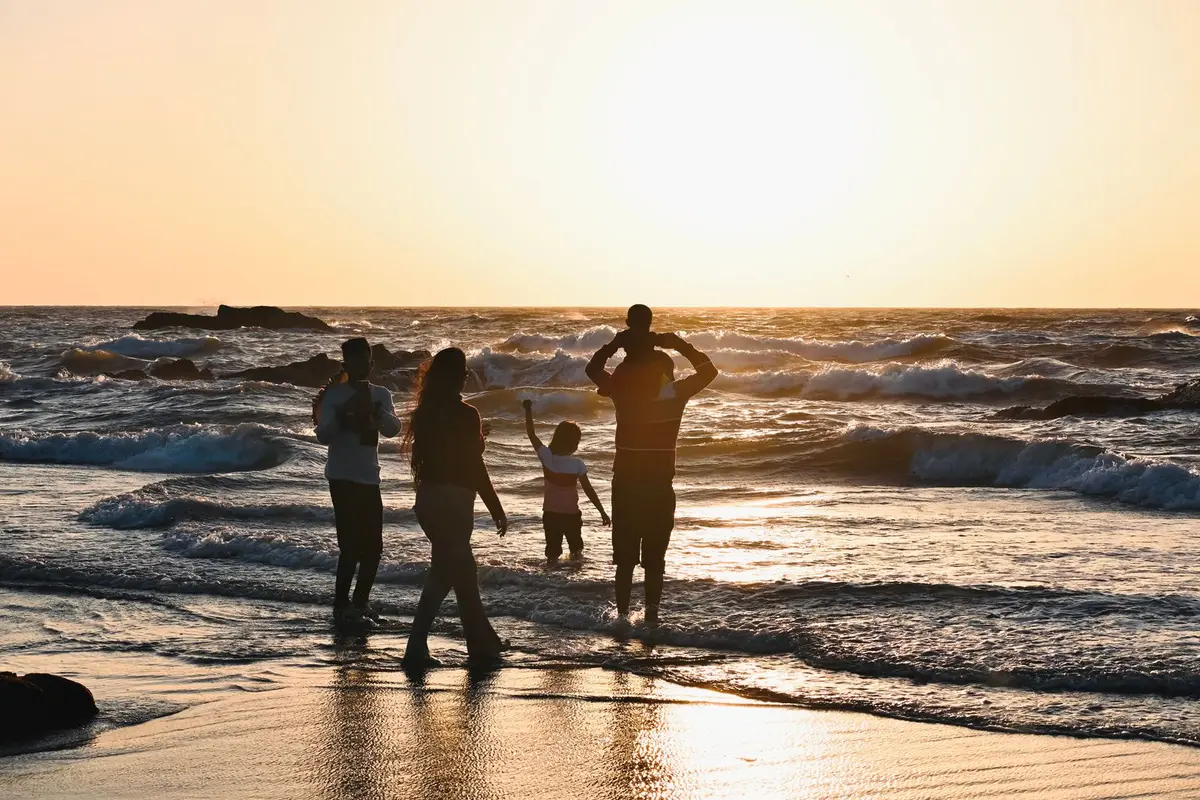
The 3-hour rule means planning no more than 3 hours of structured activities per day when traveling with kids. This prevents meltdowns, allows for spontaneous discoveries, and keeps everyone happy. Build in buffer time for meals, bathroom breaks, and the inevitable "I'm tired" moments.
- Budget
- $15-25 per day extra for flexibility
- Duration
- Works for any trip length
- Best Time
- Any season - especially valuable during school holidays
- Visa Required
- Same as standard travel requirements for your destination
Step by step
Calculate your daily activity window
Take your total awake time (usually 12-14 hours) and subtract 3 hours for meals, 2 hours for travel between places, and 1-2 hours for rest/downtime. That leaves 3-4 hours maximum for planned activities.
Choose one major activity per day
Pick one main attraction or experience as your anchor. A museum visit, a hike, a city tour. Everything else is bonus. If you see the Colosseum, that's the day. Don't also plan the Vatican.
Block your schedule in thirds
Morning block (9am-12pm), afternoon block (1pm-4pm), evening block (5pm-8pm). Fill only ONE block with planned activities. Leave the other two flexible for meals, rest, or spontaneous fun.
Build in transition time
Add 30 minutes between activities for bathroom breaks, snack stops, and the inevitable "my feet hurt" moments. If something is supposed to take 2 hours, block 2.5 hours.
Have backup plans ready
Keep 2-3 low-energy alternatives in your back pocket. A nearby park, a gelato shop, a playground. For when someone melts down or the weather changes.
Start with less, not more
On your first family trip, aim for 2 hours of activities per day. You can always add more if everyone's handling it well. You can't take back an overtired 6-year-old's public meltdown.
Questions people ask
What if my kids are older teens?
Stretch it to 4-5 hours of planned activities, but keep the principle. Teens still need downtime and get hangry. They're just better at hiding it until they explode.
Does this work for toddlers?
Yes, but drop it to 2 hours maximum. Toddlers need more sleep, more snacks, and more time to process new environments. Some days, a playground and ice cream IS the full itinerary.
What if we're only in a city for one day?
Pick one thing you absolutely must see. Do it. If there's energy left, add one small nearby attraction. Don't try to cram 6 months of planning into 8 hours just because it's your only chance.
How do you handle kids who want to do everything?
Let them help choose the one daily activity, but explain the rule upfront. 'We can do the aquarium OR the castle today, not both. Which do you want more?' They'll feel involved but understand the limit.
Budget
Following the 3-hour rule doesn't change your attraction costs, but it reduces transportation expenses. Budget an extra $15-25 per day for spontaneous snacks and drinks during your unplanned time.
Packing
- Portable snacks that don't melt or crumble
- Small backpack for each kid to carry their own water and entertainment
- Wet wipes for sticky hands and impromptu cleanups
- Phone charger/power bank for when you're sitting in parks longer than planned
- One small toy or activity per child that travels well
More for families: family trips, trip types and deciding where to travel.