How to Hike the Inca Trail to Machu Picchu
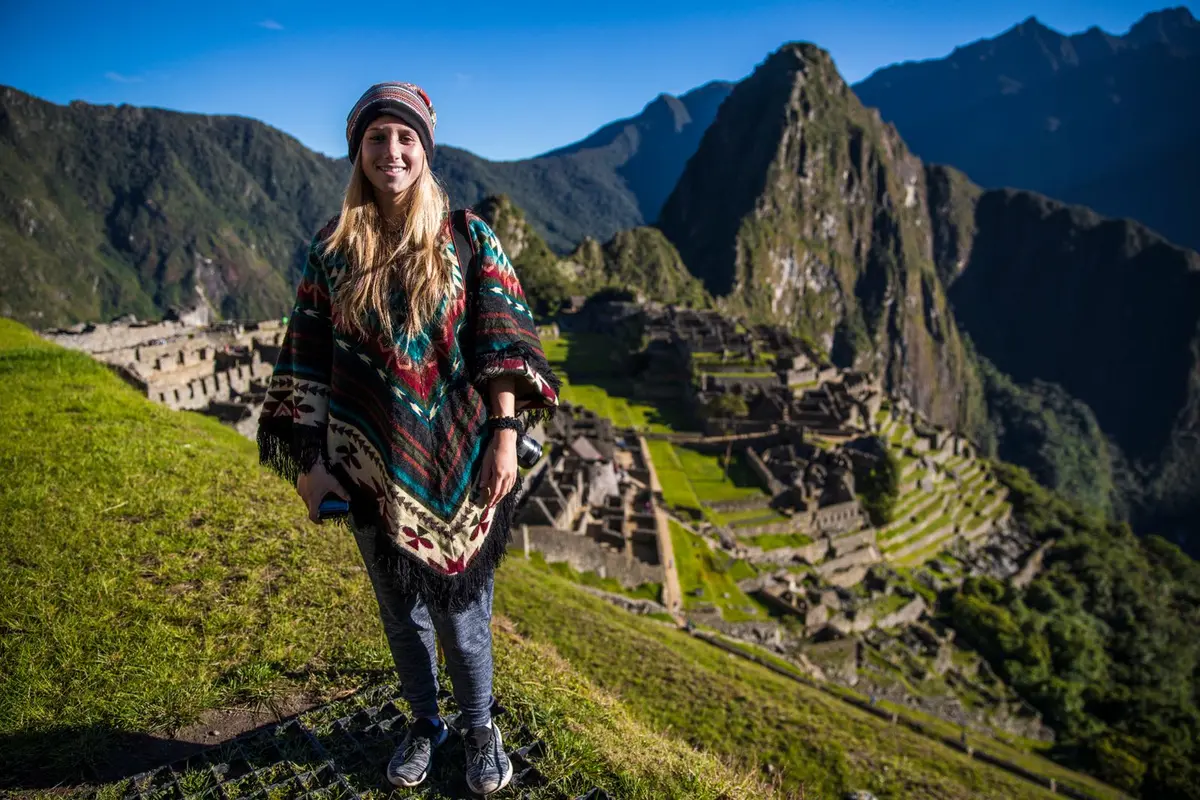
Book your Inca Trail permit 6 months in advance through an authorized tour operator, as only 500 people per day are allowed on the trail. The classic 4-day trek costs $600-800 and requires moderate fitness. Train for 2-3 months before your trip and pack layers for dramatic altitude and weather changes.
- Budget
- $600-800 for tour, $200-300 additional for gear
- Duration
- 4 days hiking plus 2-3 days Cusco acclimatization recommended
- Best Time
- May through September (dry season), book 6 months ahead
- Visa Required
- No visa required for most Western passport holders, 90-day tourist entry
Step by step
Book your permit 6 months ahead
Permits sell out fast, especially for dry season (May-September). Only licensed operators can book permits. Expect to pay $600-800 for the 4-day classic trek including guide, porters, meals, and camping gear. You'll need your passport number and exact spelling of your name.
Train for 2-3 months
Focus on cardio and leg strength. Hike regularly with a loaded backpack (15-20 lbs). Practice walking uphill for 2-3 hours. The trail reaches 13,780 feet at Dead Woman's Pass on day 2 — the hardest day.
Arrive in Cusco 2-3 days early
Acclimatize to the 11,200-foot altitude. Drink coca tea, avoid alcohol, and take it easy. Most people feel altitude effects. This buffer also protects against flight delays that could make you miss your trek start date.
Pack layers and essentials
Temperatures range from 80°F in valleys to 20°F at night at altitude. Bring a 0°F sleeping bag, rain gear, warm layers, and broken-in hiking boots. Tour operators provide tents and most gear, but confirm what's included.
Follow the 4-day itinerary
Day 1: Cusco to Wayllabamba (7 miles, moderate). Day 2: Cross Dead Woman's Pass (10 miles, very difficult). Day 3: Explore ruins and cloud forest (10 miles, moderate). Day 4: Sunrise at Machu Picchu (4 miles, easy).
Questions people ask
What if I can't get Inca Trail permits?
Try alternative treks like Salkantay (4-5 days) or Choquequirao (7-9 days). Both end at Machu Picchu but have different scenery and difficulty levels. Or take the train to Aguas Calientes and hike up from there.
How fit do I need to be?
Moderate fitness required. You should be able to hike 6-8 hours carrying a day pack. The altitude makes everything harder. If you can climb 3-4 flights of stairs without getting winded, start training now and you'll be fine.
What happens if weather is bad?
The trail runs year-round except February (maintenance closure). Rain gear is essential even in dry season. Trails get muddy and slippery but tours continue unless there are serious safety concerns like landslides.
Can I do it without a tour?
No. Independent hiking is not allowed on the classic Inca Trail. You must book through a licensed operator who provides guides and porters. This rule protects the trail and ensures safety at high altitude.
What about altitude sickness?
Most people feel some effects above 10,000 feet. Symptoms include headache, nausea, and fatigue. Arrive in Cusco 2-3 days early, drink lots of water, avoid alcohol, and consider altitude sickness medication. Descend immediately if symptoms are severe.
Budget
Expect $600-800 for the 4-day classic Inca Trail tour including permits, guide, porters, meals, and camping equipment. Budget operators start around $600, premium operators charge $800-1000. Add $200-300 for gear if you need to buy hiking boots, sleeping bag, and technical clothing. Tips for guides and porters run $80-120 total. Huayna Picchu climb costs extra $75 if available.
Packing
- 0°F rated sleeping bag (tour companies provide but theirs are often worn out)
- Broken-in hiking boots with ankle support and aggressive tread for stone steps
- Layers including warm hat, insulated jacket, and rain gear for dramatic weather changes
- Trekking poles for steep descents (especially day 2 aftermath)
- Headlamp with extra batteries for early morning starts and camp life
Itinerary
- 1 — Arrive at Wayllabamba camp (10,500 feet). Early dinner at 6pm, briefing for tomorrow's challenging day. Sleep by 8pm. — 5:30am pickup from Cusco hotel. Drive 2 hours to Ollantaytambo for breakfast, then continue to Wayllabamba trailhead at 8,200 feet. — Begin hiking through Sacred Valley. Pass small villages and see your first Inca ruins. Steady uphill climb for 4-5 hours. — 7 miles hiking, 6-7 hours total. Moderate difficulty. Last chance for snacks and water bottles.
- 2 — Collapse at camp (11,800 feet). Hot soup never tasted so good. Most difficult day behind you. — 5am wake-up call. Breakfast by headlamp. Start the brutal climb to Dead Woman's Pass (13,780 feet) — the highest point of the trek. — Celebrate reaching the pass, then descend steep stone steps to Pacaymayo camp. Knees will hurt. Use trekking poles. — 10 miles hiking, 8-9 hours. Very difficult. Bring altitude sickness pills and pace yourself.
- 3 — Camp at Wiñay Wayna (8,900 feet). Warmer weather finally. Last night camping. — Explore Runkurakay ruins — a circular Inca watchtower. Cross second pass at 13,100 feet with stunning mountain views. — Descend into cloud forest. Visit Wiñay Wayna ruins — spectacular terraced complex. Some say it's more impressive than Machu Picchu. — 10 miles hiking, 7-8 hours. Moderate difficulty. Bring camera batteries — lots of photo opportunities.
- 4 — Take bus down to Aguas Calientes. Train back to Cusco arrives 10pm. Shower and real bed finally. — 3:30am wake-up to reach Sun Gate (Inti Punku) for sunrise over Machu Picchu. Queue starts at 5am for first views. — Guided tour of Machu Picchu ruins. Learn about Inca engineering and astronomy. Optional Huayna Picchu climb if booked separately. — 4 miles hiking, 3-4 hours easy walking. Bring passport for Machu Picchu entry. Celebrate — you did it.
See also bucket-list trips, adventure trips and how to book tours that aren't tourist traps.