How to Travel With Insulin
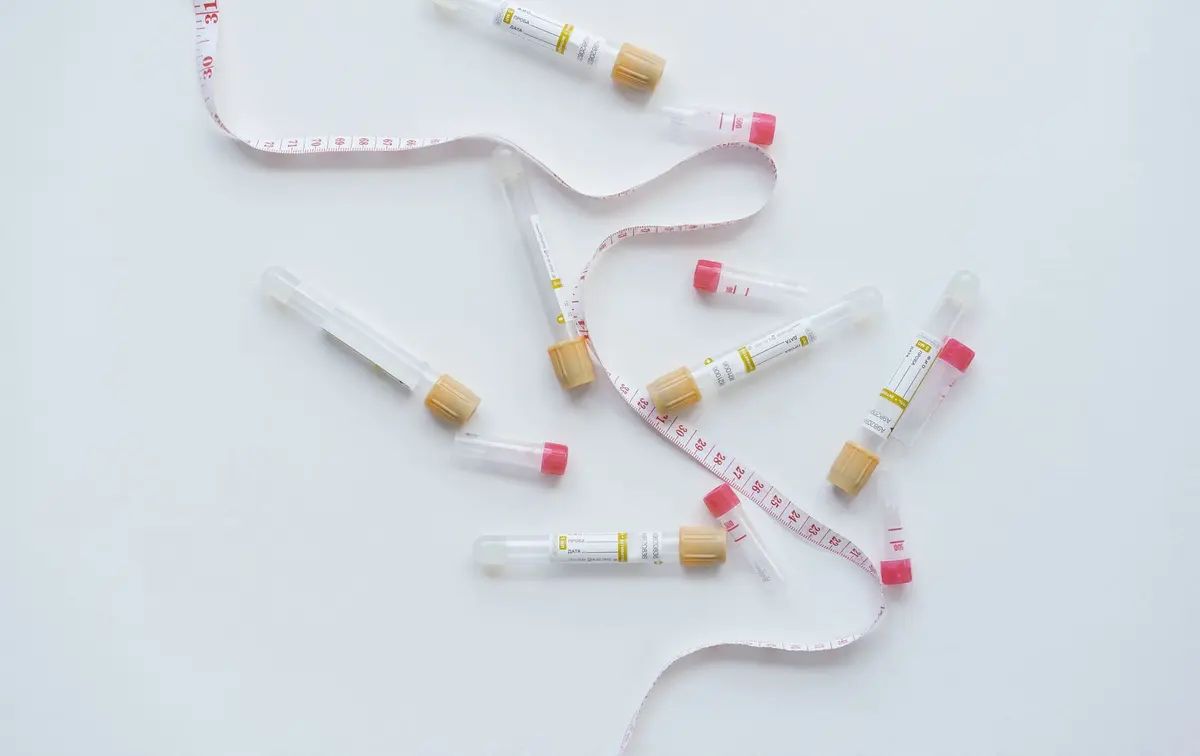
Pack insulin in a carry-on bag with a cooling case, keep it between 36-46°F (2-8°C), and carry a doctor's letter explaining your condition and medication. Insulin can be damaged by extreme temperatures, so never check it or leave it in hot cars.
- Budget
- 80-310 dollars in travel-specific costs
- Duration
- Preparation begins 2-4 weeks before departure
- Best Time
- Any time — your travel timing is not constrained by insulin access
- Visa Required
- No — insulin is not a visa matter, but customs declaration may be required in some countries
Step by step
Get a Doctor's Letter Before You Leave
Visit your doctor 2-4 weeks before travel and ask for a letter on official letterhead stating you have diabetes, listing all your medications by generic and brand name, explaining the medical necessity of insulin, and including your doctor's contact information. This letter protects you at security checkpoints and border crossings. Keep the original and make 2 copies — one for carry-on, one for checked baggage.
Choose and Prepare a Cooling Case
Buy an insulated insulin travel case designed for medication (brands like Frio, Insulin Cooling Case, or Nomad work well). These cost $30-60 and use evaporative cooling or gel packs. If using a gel pack case, freeze the gel packs the night before travel. Gel packs keep insulin cool for 24-45 hours depending on the brand and outside temperature. Do not use regular coolers with ice — direct ice contact can freeze insulin and damage it.
Pack Insulin in Your Carry-On Bag
Place all insulin vials or pens in the cooling case and pack it in your carry-on bag. TSA allows insulin and insulin delivery devices in carry-on without removing them from the cooling case. Bring twice as much insulin as you think you'll need — assume some may be damaged or lost. If traveling more than one week, bring backup pens or vials stored in a separate cooling case in case your primary case fails.
Know TSA and International Rules
In the US, TSA allows insulin, syringes, lancets, and testing supplies through security without restrictions. Inform the security officer you're carrying medical supplies. International rules vary: some countries require a customs declaration, others require notarized doctor's letters. Check with the embassy of your destination country 2 weeks before departure. If flying through multiple countries, research each one.
Pack Backup Supplies and Test Strips
Bring backup syringes or pen needles (at least 30-40 for a 2-week trip — one per injection plus extras). Pack testing supplies in original labeled containers. Bring blood sugar test strips, lancets, alcohol swabs, and a backup glucose meter. Store test strips in a cool, dry place — they're sensitive to temperature and humidity. Pack glucose tablets or fast-acting carbs in carry-on (separate from checked bag in case of delay).
Manage Time Zone Changes
When crossing time zones, your insulin timing shifts. If traveling east (shorter day), you may need less insulin that day. If traveling west (longer day), you may need extra doses. Consult your doctor before travel about adjusting dosing for your specific timezone changes — do not guess. Write down the time of your last injection before boarding and adjust based on local time at your destination.
Monitor Temperature During Travel
Never leave insulin in a hot car, direct sunlight, or near heating vents on planes. Once opened, insulin stays good for 28 days at room temperature (up to 86°F/30°C). If your cooling case fails and insulin gets warm, throw it away — you cannot tell by looking if it's been damaged. Test blood sugar more frequently in new climates to catch issues early.
Declare Insulin at Border Crossing if Required
Some countries require you to declare insulin at customs. Keep your doctor's letter, original medication packaging, and pharmacy label with your name visible. Be prepared to explain what insulin is and why you need it. Most countries don't restrict personal medical supplies for diabetes, but a few do — research your destination's customs website. If denied entry with your insulin, you have a serious problem, so confirm this in advance.
Find Pharmacies and Doctors Abroad
Before leaving, research whether your insulin brand is available in your destination country — some brands have regional names. Find a pharmacy location near your hotel and a doctor or clinic that treats diabetes. Write down these addresses and phone numbers. If traveling to a remote area, bring extra insulin since you may not have access to a pharmacy. In EU countries, insulin is generally available at any pharmacy. In developing countries, availability varies significantly.
Questions people ask
Can I check insulin in my checked luggage?
No. Do not check insulin. Keep it in carry-on at all times. The only exception: if connecting through a very short layover (under 1 hour), some travelers pack a backup insulin supply in checked luggage, but this is risky and not recommended.
What if airport security questions my insulin at the checkpoint?
Tell the TSA officer (or equivalent in your country) that you have diabetes and are carrying insulin and medical supplies. Show your doctor's letter and the original insulin packaging. You do not need to remove insulin from the cooling case. If TSA is unsure, ask to speak to a supervisor. In the US, TSA's official policy allows insulin without restriction. If traveling internationally, the same principle applies — your letter and packaging should resolve it.
How do I handle insulin if my flight is delayed and I miss meals?
Carry fast-acting carbs (glucose tablets, juice, candy) in your carry-on bag. If a flight is delayed, eat a small meal or snack to match your insulin dose. Contact a flight attendant if you need help — most airlines accommodate medical needs. Never skip insulin because you missed a meal; instead, eat something immediately. If delayed for many hours, adjust your next insulin dose downward, but consult your doctor's guidance on this before traveling.
What insulin brands are available in Europe vs. Asia?
Insulin brand availability varies. Humalog and Lantus are available worldwide. However, some regional brands exist: Actrapid (Novo), Protaphane (Novo), and Insulatard are common in older European systems. In Asia, availability depends on the country — China has domestic brands, India has generic versions. Bring enough insulin for your entire trip. If you run short, your doctor can contact a local hospital or pharmacist, but this is complicated. Research your destination's insulin supply before booking.
Do I need to notify my airline in advance that I'm traveling with insulin?
No, you do not need to notify airlines in advance. Insulin is allowed on all flights without pre-approval. However, if you're traveling with a large quantity of supplies or need refrigeration in flight, you can call the airline's medical assistance line ahead of time. Most airlines will let you keep a cooling case at your seat. Notifying in advance is optional but can smooth boarding.
What if insulin freezes in a gel pack case during winter travel?
Insulin is damaged if frozen. In winter, switch from gel pack cases to Frio-style evaporative cooling cases, which don't get as cold. Keep the cooling case inside your jacket or bag, not in outside pockets. If insulin does freeze, throw it away — it appears normal but is damaged. Do not use it. This is why packing backup insulin is critical for winter travel.
Can I refill my insulin prescription in another country?
Refilling abroad is difficult and not recommended. Insulin prescriptions are country-specific, and getting a local doctor to prescribe your exact dose takes time. Some countries have different insulin strengths (U-100 vs. U-40), which is dangerous to mix up. Always bring enough insulin for your entire trip plus backup. If you do run out, contact your travel insurance provider, your home doctor, or an international clinic — they may be able to arrange an emergency refill, but plan to avoid this situation entirely.
- Cooling Case
- 30-60 dollars
- Doctor Letter
- 0-50 dollars (may be free or charged as office visit)
- Extra Insulin Supply
- varies by insurance, typically 50-200 dollars if paying out of pocket
- Total Additional Cost
- 80-310 dollars for travel preparation
Packing
- Insulated insulin cooling case with gel packs or evaporative technology — essential for keeping insulin between 36-46°F (2-8°C)
- Doctor's letter on official letterhead explaining your condition, medication names, and medical necessity — required at security and borders
- Double your normal insulin supply (vials or pens) plus backup pens stored separately — accounts for damage, loss, or miscalculation
- Backup syringes, pen needles, test strips, lancets, and backup glucose meter in original labeled containers — you cannot replace these quickly abroad
- Fast-acting carbs (glucose tablets, juice boxes, candy) in carry-on separate from checked bag — for hypoglycemia emergencies if flights are delayed
More on medication abroad: your medication crosses the border too, travel insurance and what travel insurance covers.