Is Domestic First Class Worth It?
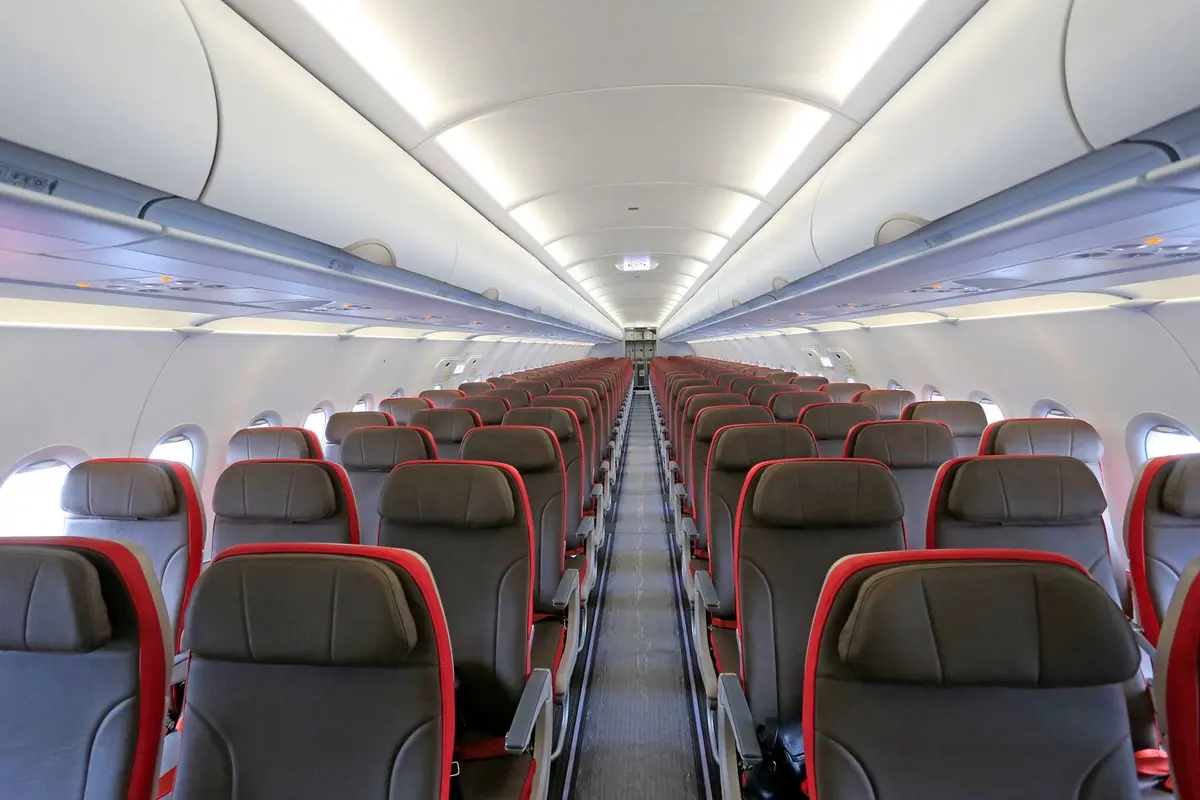
Domestic first class is worth it when you can upgrade for under $100-150, when someone else is paying, or when you need guaranteed overhead bin space and priority boarding on a critical connection. Paying $400+ over economy for a 2-hour flight rarely makes financial sense—you're paying $200/hour for a wider seat and free drinks.
- Budget
- $50-150 upgrade premium for good value
- Duration
- Most valuable on flights 4+ hours
- Best Time
- Book upgrades 24-72 hours before departure for lowest prices
- Visa Required
- N/A
Step by step
Calculate the per-hour premium
Take the first class fare minus the economy fare, then divide by flight hours. If you're paying more than $150 per flight hour, the value isn't there unless you have specific needs. A $300 upgrade on a 90-minute flight is $200/hour—that's steep for domestic service.
Check what's actually included
Domestic first class typically means: a seat 21 inches wide instead of 17, 3-4 more inches of legroom, free drinks and a snack box, priority boarding, and two free checked bags. That's it. No lie-flat seats, no substantial meals, no premium entertainment. Know what you're buying.
Look for cheap upgrade opportunities
Book economy, then check for upgrade offers 24-72 hours before departure. Airlines often offer $49-99 upgrades when first class isn't selling. Use miles for upgrades—25,000 miles for a $250 upgrade is reasonable. Bid for upgrades through airline apps starting at $50.
Consider route-specific value
First class makes more sense on transcons (5+ hours), red-eyes where you need sleep, or when traveling for important meetings. Skip it on flights under 2 hours—you'll barely finish your drink before landing. Early morning flights under 90 minutes have the worst value proposition.
Factor in your status and travel frequency
If you fly 25+ times a year, elite status gives you free upgrades, priority boarding, and checked bags anyway. First class becomes redundant. If you fly 3 times a year, those perks might justify a $100 upgrade. Regular travelers should invest in status, not cabin upgrades.
Questions people ask
Is first class ever worth full price domestically?
Rarely. Full-fare domestic first can run $800-1,200 on transcontinental routes versus $200-400 for economy. You'd need a specific reason: you're 6'5" and can't physically fit in economy, you need guaranteed overhead space for critical equipment, or someone else is paying. Even then, premium economy or exit rows offer 70% of the benefit at 20% of the cost.
What's the difference between domestic first and international business?
Everything. Domestic first class is a wider seat with free drinks. International business class has lie-flat beds, multi-course meals, airport lounge access, and dedicated check-in. They're not comparable products. Don't expect international business class service on domestic first—you'll be disappointed every time.
How do I get upgraded for free?
Earn elite status by flying 25,000-75,000 miles per year on one airline. Gold/Platinum members get complimentary upgrades when available. Use co-branded credit cards that offer upgrade certificates (usually after spending $25,000-50,000 annually). Ask politely at check-in if flying for a special occasion—works maybe 1% of the time, but costs nothing to try.
Are the free checked bags worth it?
Two free checked bags save $70-120 roundtrip. If you're checking bags anyway, a $100 first class upgrade pays for itself. If you travel carry-on only, this benefit is worthless to you. Do the math based on your actual packing style—don't pay for benefits you won't use.
Does domestic first class get you lounge access?
No. Domestic first class tickets do not include airport lounge access on US carriers. You need elite status, a premium credit card (Chase Sapphire Reserve, Amex Platinum), or a lounge membership. International first or business class tickets do include lounge access—domestic tickets do not.
- Hidden Costs
- If first class is your only option for a specific flight time, you're paying for schedule convenience, not cabin service. Credit card annual fees ($95-550) for priority boarding and free bags may deliver better value than per-flight first class purchases.
- Value Threshold
- Good value: upgrades under $100 or $50 per flight hour. Questionable value: $150-250. Poor value: anything over $300 for domestic service. Exception: 6-hour red-eyes where sleep matters justify up to $200.
- Typical Premiums
- Domestic first class costs $100-500 more than economy on the same flight. Transcontinental routes (NYC-LAX) run $200-400 premiums. Short hops under 2 hours typically add $100-200. Last-minute upgrades through airline apps: $49-150. Mileage upgrades: 15,000-25,000 miles one-way.
Packing
- Noise-canceling headphones—first class doesn't mean quiet cabins, and you're sitting closer to galleys and lavatories
- Laptop or tablet—you'll have actual workspace, use it for productivity on longer flights
- Empty water bottle—free drinks are nice, but fill a bottle after security for hydration throughout the flight
- Light jacket—first class cabins are often colder due to positioning near doors and galleys
Before you upgrade: cabin classes decoded, miles redemption and finding cheap flights without getting burned.