Tanzania Safari on a Budget.
How to do a real Serengeti and Ngorongoro safari on a budget: green season, a Tanzanian-owned operator, shared vehicles and the park fees.
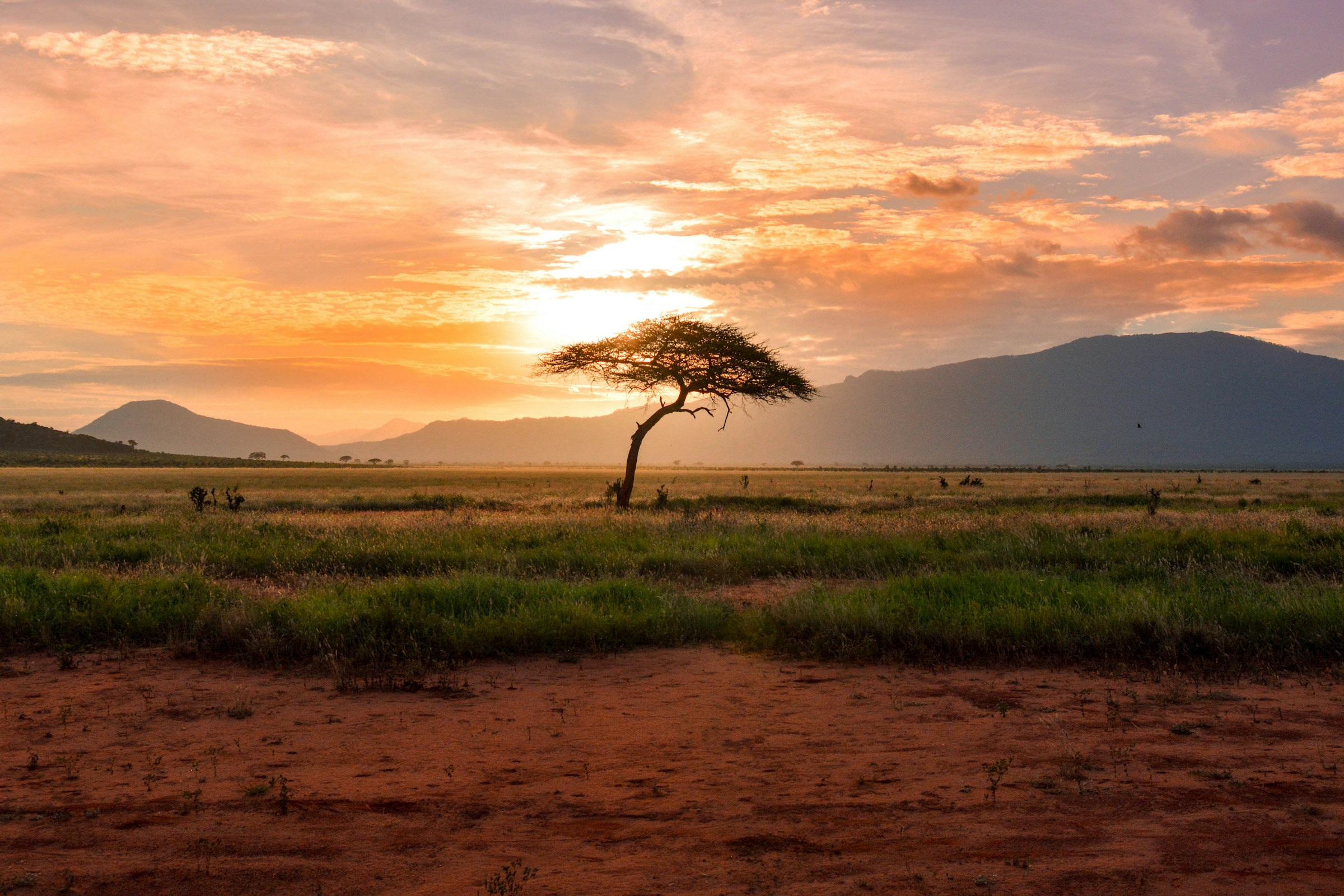
The Serengeti at $1,800 per person per week, not $5,000. The math, the operators, the trade-offs that do not actually trade anything away. Filed from Lagos by Amani Okafor, who has watched too many friends overpay for the same drive.
By Amani Okafor, Lagos.
- 6–8 day recommended window
- Best green season: March–May, November
- Budget from $1,800 per person
- Group mid-range safari format
- Updated May 2026
The short answer.
The Tanzania budget safari problem is not a money problem. It is an operator problem. Western travelers see the $5,000 figure quoted by the agencies that buy ad space in their in-flight magazines and conclude that is the price. It is not. A six-day mid-range group safari in green season — Serengeti, Ngorongoro, Ndutu — runs $1,500 to $2,000 per person from a Tanzanian-owned operator in Arusha. The wildlife does not know the difference. The vehicle is the same Land Cruiser. The roof opens to the same sky. What separates the budget tier from the luxury tier is the bed at night and the size of the wine list. The animals are not on the price sheet.
The real numbers, broken down honestly.
Park fees in Tanzania are fixed by the government and they are the largest line item nobody wants to discuss. In the Ngorongoro Conservation Area, visitors aged 16 and over from outside East Africa pay a US$70.80 entry permit, valid for one entry within 24 hours. Driving down into the crater adds a US$295 crater service fee per vehicle, shared by everyone in it. Serengeti entry fees and concession fees for nights inside the parks come on top; ask your operator for the current Tanzania National Parks tariff. That part does not move. What does move is the rest of the bill: vehicle, guide, accommodation, food, transfers. A mid-range Tanzanian-owned operator running 4–6 guests in a Land Cruiser charges $180–$240 per person per day all-in. Six days at the upper end is $1,440. Park fees come on top. Drop into green season — late March, April, November — and operators typically discount 30–40 percent on the non-park portion. That is how the figure lands at $1,800 per person.
Compare that against the Western-agency package at $5,000. The agency adds a 30–40 percent margin, books you into permanent luxury lodges at $600 a night when a perfectly good tented camp is $180, and routes the booking through a London or New York office that does not have a single staff member who has slept under canvas in the Serengeti. The animals are identical. The sunrise over the Seronera plains does not come in two grades.
Group safari versus private. The honest case for sharing.
Group safari is the default at the budget tier and there is no shame in it. A Land Cruiser holds six guests comfortably, two per row, every seat at a window. The roof pops up; everyone gets a clean line of sight. The trade is that vehicle position at sightings is decided collectively or by the guide, which means if a leopard descends from a sausage tree your photographer-husband is not getting the angle he had imagined. For most travelers this is fine. For serious wildlife photographers, families with young children who need flexibility, or groups of three or more who would fill the vehicle anyway, paying for a private vehicle (typically $400–$600 more per person across six days) is the upgrade that pays back. Below three guests, private safari is a luxury, not a necessity.
What the budget tier loses is mostly cosmetic. The mid-range tented camps — places like Kati Kati, Mbuzi Mawe, Lake Masek Tented Camp — have proper beds, en-suite bathrooms with pressurized hot showers (sometimes bucket showers, which work better than they sound), three-course dinners and electric lighting from a generator until 10pm. What they do not have is the infinity pool, the spa, the curated wine cellar. If those are non-negotiable to your trip, you are not on a budget safari and the price will reflect that.
Arusha versus Kilimanjaro. Fly into JRO.
Almost every Tanzania safari starts in Arusha town, but the airport question matters for the budget. Kilimanjaro International (JRO) is 50 kilometres east of Arusha, served direct from Doha by Qatar Airways, from Amsterdam by KLM, from Addis Ababa by Ethiopian, from Istanbul by Turkish. From West Africa the Ethiopian routing through Addis is the most reliable and reasonably priced. Arusha Airport (ARK) is a small domestic strip mostly used for transfers to Zanzibar or onward bush flights. Routing into ARK almost always means a Nairobi or Dar es Salaam connection that adds a full travel day and $200 to the ticket. Fly into JRO. Take the operator transfer to your Arusha guesthouse. Begin.
What to never cheap out on.
The driver-guide. Repeat that to yourself. The driver-guide. A weak guide will drive past a kill because he did not see the kicked-up dust three hundred metres off the track. A strong guide reads alarm calls of impala from half a kilometre, watches the way zebras orient their heads, knows which acacia drainage produces leopards in October versus April. The difference between a great safari and a mediocre one is not the camp — it is the human at the wheel. When you are vetting operators, ask by name which driver-guide will lead your trip. Cross-reference reviews on Tripadvisor and SafariBookings using that guide's name. Confirm he is salaried, not commission-based, because commission-based guides hurry from sighting to sighting trying to maximize bookings. Tip $20–30 per guest per day, paid in cash on the final morning, in crisp post-2013 US dollars.
The other place not to cheap out: travel insurance with medical evacuation. The Serengeti is six hours by road from any hospital that can handle a serious injury. Flying Doctors East Africa membership for the trip duration costs $50 per person and is the only sensible answer.
Six questions before you book.
- Is $1,800 per person actually realistic?
- Yes, with discipline — green season, group format, mid-range tented camps, Tanzanian-owned operator. Park fees are a large, fixed part of that. Below $1,500 means corners are being cut.
- Arusha or Kilimanjaro airport?
- Kilimanjaro. Almost always. Arusha Airport only makes sense for Zanzibar leg connections.
- What does the budget tier actually lose?
- Permanent luxury lodges, infinity pools, curated wine. You keep the same parks, the same animals, often the same guides.
- What should I never cheap out on?
- The driver-guide. Ask by name. Tip well. Also: medical evacuation insurance.
- Is green season worth it?
- Yes. April and November bring afternoon rains, not all-day downpours. Camps drop 30–40 percent. Newborn wildebeest in the south.
- Group or private?
- Group for solos, couples, cost-led travel. Private for families of three-plus, serious photographers, or mobility considerations.