Clean Basement Efflorescence
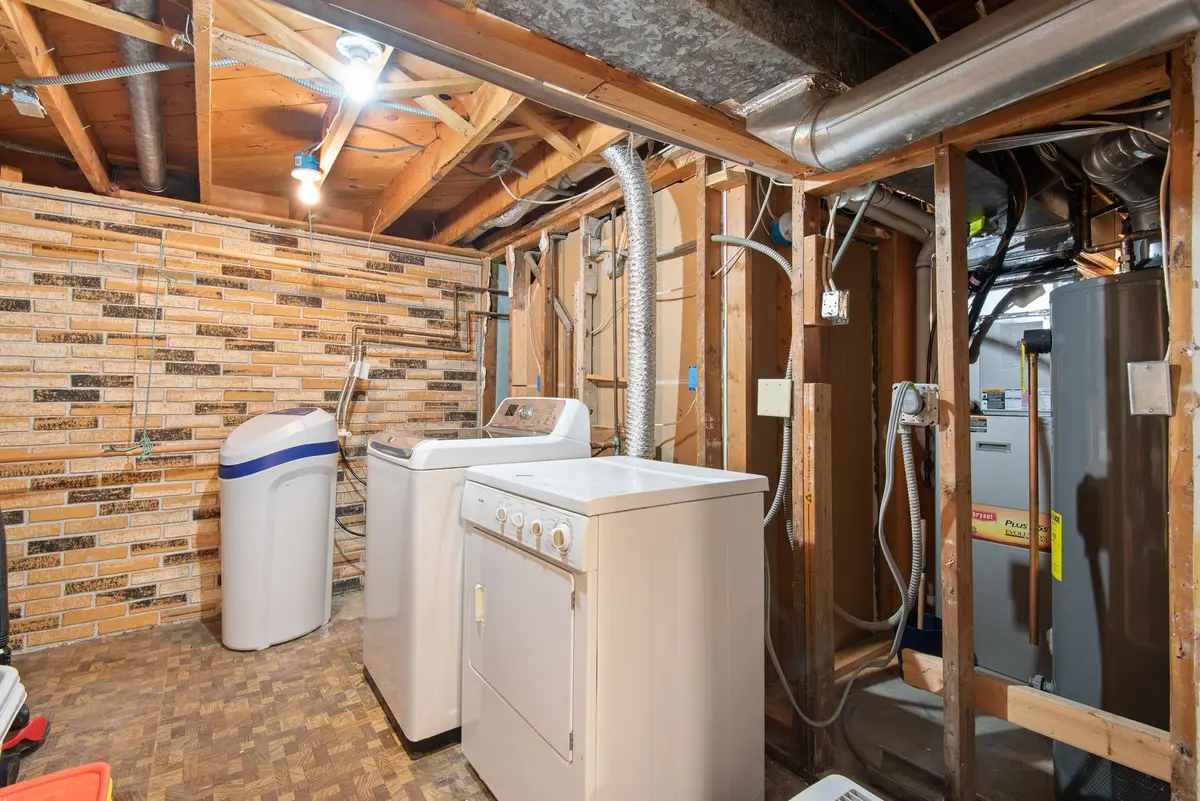
Remove efflorescence by dry-brushing the white salt deposits with a stiff brush, then scrubbing with a diluted vinegar or muriatic acid solution, and addressing the moisture source causing it.
- Difficulty
- Beginner
- Time
- 3-4 hours plus drying time
- Cost
- $15 - $45
- Tools
- Stiff-bristle brush, Pump sprayer, Wet-dry vacuum, Bucket, Gloves, Safety goggles, Dust mask, Respirator (if using acid)
- Permit required
- No
- Contractor recommended
- No
- You will need
- White vinegar or muriatic acid (1 gallon or 1 quart), Stiff nylon-bristle brush, Pump sprayer or garden hose, Chemical-resistant gloves, Safety goggles and dust mask, Respirator (if using acid), Bucket and wet-dry vacuum, Penetrating concrete sealer (optional)
Materials
- 1 gallon vinegar or 1 quart muriatic acid White vinegar (for light deposits) or muriatic acid (for heavy deposits) (Start with vinegar; escalate to acid only if needed) — $3 - $8
- 1 Stiff nylon or natural bristle brush (Avoid wire brushes which can leave metal particles that rust) — $8 - $15
- 1 pair Chemical-resistant gloves (Nitrile or neoprene rated for acid if using muriatic acid) — $4 - $10
- 1 gallon covers 200-400 sq ft Penetrating concrete sealer (optional) (Only apply after moisture source is eliminated) — $25 - $45
Step by step
Brush Away the Powder First
Use a stiff-bristled brush to scrub the efflorescence deposits in circular motions. Most of the white powder will come off dry, and removing it this way prevents driving salts deeper into the concrete. Work from top to bottom, and sweep or vacuum the loosened material as you go.
Tip: Wear a dust mask — the powder is irritating when airborne.Mix Your Acid Solution Safely
For light efflorescence, mix one part white vinegar to three parts water in a pump sprayer. For heavy deposits or persistent staining, use a muriatic acid solution: one part acid to ten parts water, always adding acid to water, never the reverse. Work in a well-ventilated space and wear gloves, goggles, and a respirator if using acid.
Tip: Test your solution on a small inconspicuous area first to check for unwanted etching or discoloration.Dampen Before Treating
Spray the affected area with plain water using a garden sprayer or hose. Pre-wetting prevents the cleaning solution from soaking too deeply into porous masonry and reduces the risk of damage to the substrate. The surface should be damp but not dripping.
Tip: Pre-wetting also gives you better control over how the acid reacts with the concrete.Activate the Salt Dissolvers
Spray or brush the vinegar or acid solution onto the efflorescence, working in manageable sections of three to four feet. Let the solution sit for five to ten minutes, allowing it to dissolve the mineral salts. You'll see fizzing or foaming if using acid, which means it's working.
Tip: Don't let the solution dry on the wall — work in sections you can rinse before evaporation occurs.Scrub Down Hard Now
Use the stiff brush to scrub the treated area while the solution is still active. Apply firm pressure and work the bristles into the surface texture. Stubborn deposits may need a second application and additional scrubbing. Keep the area wet while working.
Tip: A deck brush on a pole saves your back when working large floor areas.Flush Out All Residue
Flush the treated area with clean water, using a hose or buckets. Remove all residue from the cleaning solution and dissolved salts. If working indoors, use a wet-dry vacuum to collect rinse water as you go. Rinse twice if you used muriatic acid.
Tip: Direct rinse water toward a floor drain or pump it out — don't let it pool against the foundation.Let It Dry, Then Inspect
Allow the area to dry completely, which may take twenty-four to forty-eight hours depending on ventilation. Run a dehumidifier or fans to speed the process. Once dry, inspect for remaining deposits or new efflorescence, which indicates ongoing moisture infiltration that needs separate attention.
Tip: If efflorescence reappears within two weeks, your moisture problem is active and requires drainage work.Seal Only After Moisture Control
If the wall will remain dry and you've solved the moisture source, apply a penetrating concrete sealer to reduce future salt migration. Do not seal an actively wet wall — trapped moisture will cause spalling and more damage than the efflorescence itself. Sealing is optional and only effective when moisture is controlled.
Tip: Silane-siloxane sealers penetrate deeper and last longer than topical coatings for this application.
Questions people ask
Is efflorescence dangerous or a sign of structural damage?
Efflorescence itself is harmless mineral salt and doesn't damage the concrete. It's a symptom of water movement through the foundation, which can lead to problems if left unchecked, but the white deposits alone aren't a structural concern. Address the moisture source and the efflorescence stops forming.
Can I just paint over efflorescence instead of cleaning it?
No. Paint won't adhere properly to salt deposits, and active efflorescence will push new paint off the wall as moisture continues to migrate. Clean the surface and solve the moisture problem first, then paint with a masonry primer and paint rated for alkaline surfaces.
How do I know if I need vinegar or muriatic acid?
Start with vinegar for light deposits or first-time cleaning. If the efflorescence doesn't dissolve after scrubbing with vinegar, or if you have thick, crusty buildup, escalate to diluted muriatic acid. Most residential basement efflorescence responds fine to vinegar with some elbow grease.
Troubleshooting
Efflorescence returns within days or weeks
The moisture source is still active — inspect exterior grading, downspouts, and foundation drainage before cleaning again.
Wall surface becomes rough or pitted after acid treatment
The solution was too strong or left on too long — always dilute properly and rinse within ten minutes of application.
Efflorescence appears on painted basement walls
Salt is pushing through from behind — remove loose paint, clean efflorescence, address moisture, then repaint with masonry paint rated for alkaline surfaces.
Heavy salt buildup won't budge with vinegar
Escalate to muriatic acid at proper dilution, or use a commercial efflorescence remover formulated for heavy deposits.
Related: paint a concrete floor, basement cleaning and basement guides.