A Primer on Manual Scalp Massage
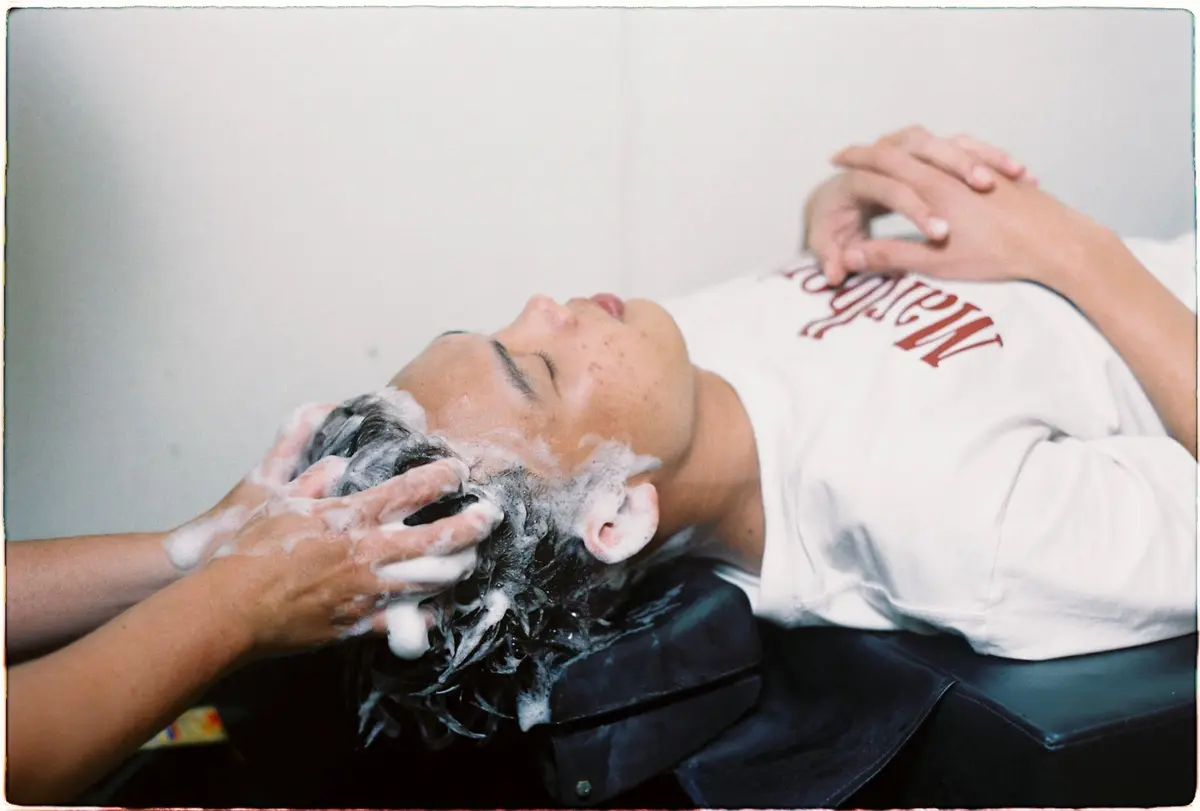
Manual scalp massage is a low-impact technique designed to mobilize the tissue of the scalp. The objective is to encourage consistent circulation and ensure the distribution of natural oils from the root outward. It requires no specialized equipment and relies entirely on consistent hand placement.
Perform these movements during the pre-wash phase to loosen debris or when the hair is dry to redistribute sebum. Consistent application is more effective than forceful, sporadic attempts.
- Difficulty
- Beginner
- Total time
- 10 minutes
- Cost
- Zero
- Cadence
- 3 times per week
Ingredients
- Natural sebum: The primary lubricant for healthy hair distribution.
Tools List
- Clean hands
Step by step
Establish the hand position
Place your pads of your index, middle, and ring fingers against the scalp. Do not use your fingernails, as these can cause microscopic abrasions. Keep the palms slightly cupped to maintain control over the pressure.
Tip: Short fingernails are preferred for this practice.Initiate circular motion
Apply firm, steady pressure against the scalp while keeping the fingers static. Rotate the skin in small circles. Do not slide the fingers over the hair surface; the goal is to move the scalp skin against the cranium.
Tip: Move the skin, not the hair.Sectional progression
Begin at the front hairline and work your way toward the nape of the neck. Divide the scalp into four quadrants to ensure total coverage. Spend at least forty-five seconds in each quadrant before proceeding.
Tip: Focus on the areas where tension is held.Lateral pressure
Transition to the sides of the head near the ears. Use the same circular motion to address the temporal regions. This area often requires less force than the crown.
Tip: Monitor for consistent pressure.Final sweep
Finish with a gentle sweeping motion from the hairline toward the back of the head. Use light pressure to soothe the skin after the deep tissue work. This acts as a cooling-down phase for the scalp tissue.
Tip: Keep movements fluid.
Trouble
My hair tangles while I massage.
You are likely rubbing the hair strands instead of moving the scalp skin. Adjust your pressure so the fingertips stay rooted in one spot on the scalp rather than sliding across the hair shaft.
How much pressure is correct?
The pressure should be firm enough to move the scalp over the skull without causing discomfort or scratching. If your fingers slip, you are using too much surface-level friction.
Can I use tools for this?
Mechanical tools can easily lead to over-exfoliation or unintended breakage. Human fingertips are the safest and most effective instrument for this routine.
When is the best time to perform this?
The pre-wash period is ideal as it helps loosen debris. However, performing this on dry hair is acceptable if your hair type is prone to dryness and requires oil distribution.
The scalp is an extension of the facial skin and responds best to consistent, measured attention.
Simplicity is the hallmark of a sustainable routine.