The Six-Week Breakage Recovery Protocol
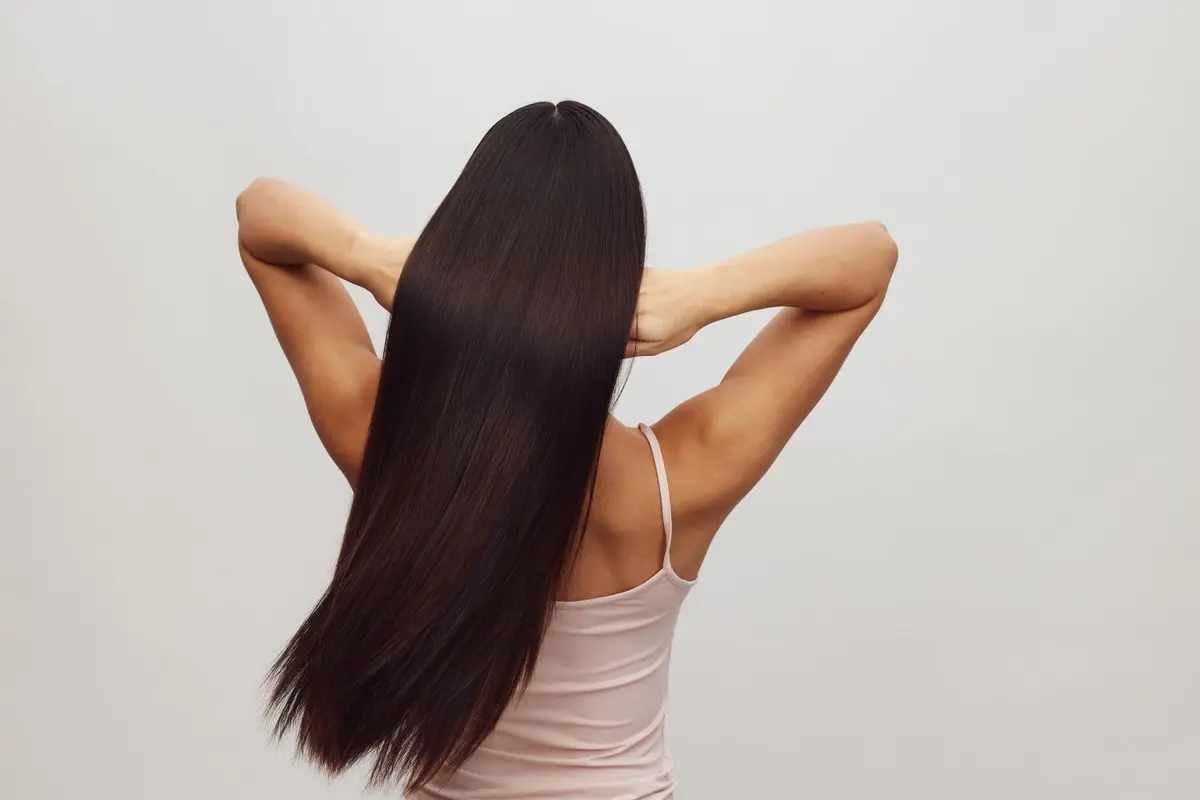
Breakage occurs when the external cuticle layer is compromised, leading to a loss of elasticity and eventual snapping of the hair fiber. This process is cumulative, usually stemming from repetitive mechanical stress or environmental dryness. The following protocol focuses on stabilizing the current fiber state and preventing further structural loss.
This six-week timeline is designed to align with the hair growth cycle and the typical rate at which hair loses moisture. By prioritizing low-tension styling and hydration, you allow the existing fibers to regain a baseline level of suppleness necessary to resist daily wear.
- Difficulty
- Beginner
- Total time
- 6 weeks
- Cost
- Moderate
- Cadence
- Daily to weekly maintenance
Ingredients
- Glycerin: Acts as a humectant to draw moisture into the hair.
- Shea Butter: Provides a barrier to seal the cuticle.
Tools List
- Wide-tooth comb
- Microfiber towel
- Silk or satin pillowcase
Step by step
Detangle with precision
Always begin detangling from the ends and move toward the roots to avoid creating knots that lead to snapping. Use a wide-tooth comb made of seamless material to minimize friction on the cuticle. If you encounter a knot, do not force the comb through it. Hold the hair section firmly above the tangle to alleviate pressure on the root.
Tip: Use a detangling spray to provide slip before brushing.Apply moisture-locking masks
Once a week, apply a conditioning mask to damp hair, focusing specifically on the middle to ends. Avoid the scalp area, as buildup can weigh down the hair and contribute to further breakage. Cover the hair with a plastic cap to utilize body heat for better absorption of moisture into the cortex.
Tip: Comb the product through once for even distribution.Implement protective styling
Limit the use of tight elastic bands that create pressure points on the hair shaft. Utilize silk or satin scrunchies that slide easily without pulling the hair fibers. Avoid styles that require high-tension pulling, such as tight ponytails or braids, to prevent thinning near the hairline.
Tip: Switch to a silk pillowcase to prevent friction while sleeping.Minimize thermal exposure
Cease all high-heat styling for the duration of the six-week protocol to allow the cuticle to remain flat. If air-drying is not feasible, use the lowest temperature setting on a dryer and maintain a distance of at least six inches. Constant exposure to extreme heat depletes the hair of its internal structural water, making it brittle.
Tip: Use a microfiber towel to remove excess water before drying.
Trouble
Why is my hair still breaking after three weeks?
Breakage is often a result of accumulated damage. If the hair continues to snap, ensure you are not using heat-based tools and are maintaining a consistent hydration schedule.
Can I use hair oils during this protocol?
Oils are effective for sealing moisture, but they do not replace water. Apply them only to damp hair to lock in hydration.
How often should I trim my ends during this time?
This protocol focuses on maintenance and preservation. If ends are significantly frayed, consult a professional for a dusting trim.
Is my brush damaging my hair?
Yes, if the bristles are not flexible or if the brush has seams. Switch to a wide-tooth comb to ensure you are detangling rather than tearing.
Recovery is less about adding products and more about removing sources of tension.
Focus on the basics: moisture, reduced tension, and patience.